



For an enjoyable rainy day at home, choose an activity that fits your energy, your company and the things you already have. Read a short story if you want a quiet break, make a photo page if you want something to keep, or set up a small tea tasting if you want time together. A model-building session is another option when you feel like working with your hands.
The best choice does not need to fill the whole day. These ten rainy day activities for adults include simple starting points, alternatives when supplies are missing, and ways to finish without leaving tomorrow’s table covered in today’s project.
Choose an activity before you gather supplies
| What you want | Start here | What to have ready |
|---|---|---|
| A quiet, low-effort break | A short story or a personal note | A book, or paper and a pen |
| Something small to make | A six-photo page or window-light photos | Existing pictures, or your phone camera |
| A longer hands-on session | Part of a model kit or a familiar bake | The kit and its required supplies, or recipe ingredients |
| Time with someone else | A game, tea tasting or home cinema | One shared choice and a clear start time |
| Something to look forward to | A local outing plan | A map and a short list of places |
If you only have an hour, include setup and cleanup in that hour. If the table needs to be clear for dinner, choose paper, photographs or a game that packs away easily. Check your cupboard before making the afternoon depend on a shopping trip.
For a quiet afternoon on your own
1. Read one short story, then give it a minute
Good for: low energy · Start with: a book you already own or can borrow digitally
Pick one story, essay or chapter rather than setting yourself a page-count target. Put the book somewhere comfortable with enough light, and leave a bookmark at the start of the next section so it is easy to stop.
Afterward, write down one line you want to remember and one question the piece left you with. That tiny pause makes the reading feel like an activity in its own right. If you are sharing the afternoon, read separately and swap your favorite moments over a drink.
2. Write a note to one person
Good for: a short, personal activity · Start with: plain paper and a pen
Choose someone you have been meaning to thank, congratulate or catch up with. Use three prompts: “I remembered…”, “I appreciated…” and “I’d love to hear…”. A specific memory is more interesting than trying to summarize your entire year.
No stationery is needed. Fold ordinary paper into an envelope you already have, or photograph the handwritten note and send it privately. If you plan to post it later, leave it with the address ready so the task does not disappear into a drawer.
3. Try a five-photo window-light challenge
Good for: noticing things differently · Start with: a phone camera and one household object
Choose a mug, a plant or a piece of fruit. Take five photographs: one from above, one at table height, one close-up, one with the subject off-center and one showing its shadow. Move the object closer to or farther from the window and compare the results.
Turn off nearby room lights for one version so you can see what the window light does on its own. Keep your favorite image; you do not need to post it or buy a camera to make the exercise worthwhile.
For an afternoon with something to show for it
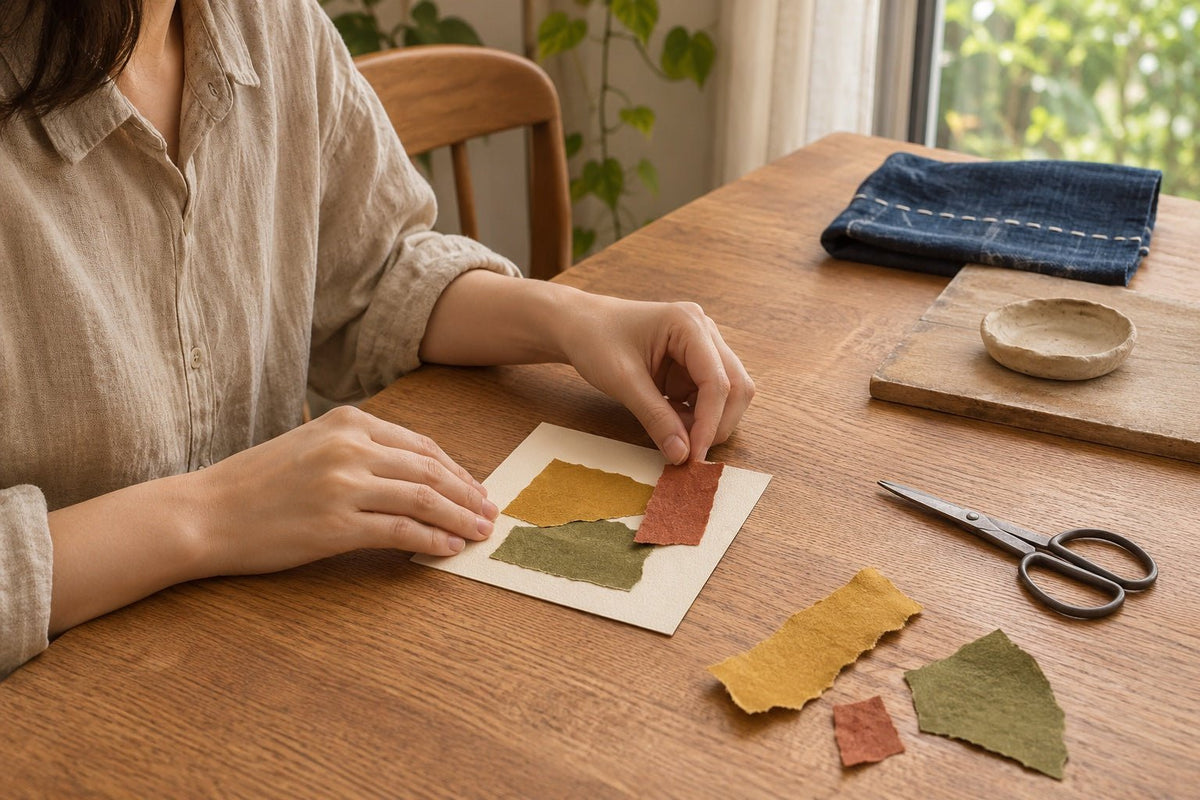
4. Make a six-photo memory page
Good for: a small finished project · Start with: six photographs from one day or trip
Limit the selection before you start arranging. Choose one scene-setting picture, a few details and one ending moment. Put them on a single sheet and add the date plus a sentence about something the photos do not show: the missed train, the conversation or the unexpectedly good lunch.
Try the arrangement before sticking anything down. If you have no prints, make a six-picture album on your phone and add those notes there; printing can wait. Keeping it to one page prevents a pleasant afternoon from turning into a full photo-library sorting job.

5. Build one section of a miniature or model kit
Good for: a focused hands-on session · Start with: a kit you already have and its instructions
Open the manual and choose a manageable stopping point in the assembly sequence. It might be one small furnishing or a subassembly, depending on the kit. Gather only the parts needed for those steps, keep their labels with them, and leave time to put everything away. Follow the manual’s sequence and any drying times rather than racing to finish the scene.
If you are choosing a future project, let your interests guide the setting. HiNooki’s Dreamy Book Hall is a miniature library with shelves, stairways and a piano; Cathy’s Flower House is a greenhouse scene with miniature plants and furnishings. Both are kits to assemble over multiple sessions, not ready-made decorations or projects to squeeze into one rainy afternoon.
Check the individual product’s size, materials and supplies before ordering. For today, use a project already on hand. Before packing up, mark your next step; our guide to storing an unfinished miniature kit helps you leave the work ready to continue.
6. Bake a familiar recipe with what is already in the cupboard
Good for: an afternoon at home · Start with: a reliable recipe and the ingredients it requires
Check the ingredients, equipment and total time before choosing what to make. A familiar batch of biscuits, muffins or a simple loaf is a better fit for an easy afternoon than a recipe that sends you out for three specialist ingredients. Follow the recipe’s quantities, preparation and cooking instructions.
Clear a cooling space before you begin, and wash the mixing bowl while the food is baking. If you are cooking with someone else, divide the work into measuring and mixing rather than both reaching for the same task. No suitable ingredients? Move to the tea tasting below instead.
For two people or a few friends
7. Play a short game before committing to a long one
Good for: conversation and a little competition · Start with: a game everyone has agreed to play
Choose one round of a familiar card or board game. Agree on the end point before starting: a score, a set number of rounds or the next meal. If someone is learning, play a practice round with the choices explained openly.
No game box? Try a paper word chain. Write a five-letter word, take turns changing one letter to make another word, and see how long the chain lasts without repeats. Pick a dictionary together for disputed words. You need a sheet of paper, not a new purchase.
8. Compare two or three teas you already own
Good for: a relaxed shared break · Start with: tea, cups and water
Make small servings according to each tea’s brewing instructions, then let them cool enough to taste comfortably. Compare aroma first, then flavor and aftertaste. Each person can describe a favorite before seeing the packaging; there is no need to find the “correct” answer.
Ordinary mugs work, and you can brew one tea at a time if you have only one pot. A couple of plain biscuits keep the setup simple. If you only have one tea, compare it plain and with your usual addition, or use the time to enjoy it together without turning the afternoon into a tasting competition.

9. Give one film a proper home-cinema slot
Good for: an easy evening · Start with: a film you can already access
Each person nominates one film, then choose between them before settling onto the sofa. Check its running time, set a start time and put snacks within reach. This avoids using half the evening browsing a menu.
Leave time afterward to talk about a favorite scene or an ending you would change. Watching alone? Pick a film from a director, place or decade you have been curious about. You do not need a marathon for the evening to feel planned.
For when you want to look beyond the weather
10. Plan one local outing for a clearer day
Good for: a little anticipation · Start with: a map and one place you want to visit
Keep the plan small: one main stop, somewhere nearby to eat or sit, and a route home. Check opening hours, booking requirements and the total cost on the venue’s own website. Save the details together so you are not searching for them at the door.
Add one indoor alternative in case the next forecast changes too. If you are planning with a friend, choose a possible date and send the short plan. A usable afternoon itinerary is more helpful than a list of twenty places you might visit someday.
Make the afternoon easy to finish
Choose one main activity and one small break. For a quiet day, that could be a story followed by tea. For a creative afternoon, try a photo page or one model-building session, then clear the table before dinner. For time together, pair a game with a film you have already chosen.
If nothing on the list fits your energy, keep the plans small. You can enjoy a rainy day without starting a new hobby, buying supplies or producing something to display. The useful question is simply: what would make the next hour pleasant?

Share:
5 Creative Hobbies for Adults Who Don’t Like Drawing